
A well-made piece of furniture can outlast a dozen cheap replacements, but only if it lands in the right hands when it needs work. Whether you inherited a scratched dining table, found a vintage dresser at a second-hand shop, or want to breathe new life into a beloved family heirloom, finding the right furniture restoration shop in Edmonton matters more than most people realize. The difference between a restorer who truly understands wood, fabric, and finish and one who just slaps on a coat of paint can mean the difference between a piece that looks renewed and one that loses its character forever.
Edmonton has a solid community of skilled craftspeople, but the options can feel overwhelming if you have never hired a restorer before. This guide walks you through exactly what to look for, what red flags to avoid, and how to compare shops so you feel confident before handing over something you care about.
Understand What Kind of Restoration You Actually Need
Furniture restoration covers a surprisingly wide range of work. At one end you have light refinishing, cleaning, and touch-ups on surfaces that have lost their sheen. At the other end you have structural repairs, veneer replacement, upholstery work, and full strip-and-refinish jobs on pieces that are decades old. Before you contact any shop, take a close look at your piece and write down what you see: scratches, structural wobble, missing hardware, water rings, peeling veneer, or torn fabric.
Knowing the scope of what you need helps you filter shops quickly. Some Edmonton restorers specialize in antique furniture and period pieces, using traditional shellac and hand-rubbed finishes. Others focus on modern pieces, painted finishes, or custom colour matching. A shop that excels at Victorian walnut may not be the best fit for a mid-century teak credenza, and vice versa. Being specific about your piece, its approximate age, and the type of wood or material gives any shop you contact a real basis for a useful quote.
If you are not sure what is wrong or what the piece is made of, that is completely fine. A reputable restorer will assess it in person or ask for photos before giving you any estimate. What you want to avoid is a shop that quotes a firm price before seeing the piece at all, because restoration often reveals surprises once work begins.
What to Look for in a Furniture Restoration Shop
Experience with your specific type of piece is the single most important factor. Ask how long the shop has been operating and what types of furniture they work on most often. A shop that has spent years restoring antique hardwood pieces will have developed techniques and material knowledge that a generalist simply cannot match. Look for before-and-after photos of completed work, ideally pieces similar to yours.
Transparency matters too. A trustworthy furniture restoration shop in Edmonton will walk you through their process, explain what products they use, and give you a clear sense of timeline before work starts. They should be upfront about what they can and cannot fix, and they should tell you honestly if a piece is not worth restoring relative to its replacement cost. That kind of honesty is actually a good sign, not a bad one.
Turnaround time is worth asking about directly. Skilled restorers are often in demand, and a quality job takes time. Some shops have waiting lists of several weeks, which is completely normal. What you want to watch out for is a shop that promises an unusually fast turnaround on complex work, since rushing refinishing or repair almost always leads to corners being cut. Ask for a realistic timeline and get it in writing alongside the quote.
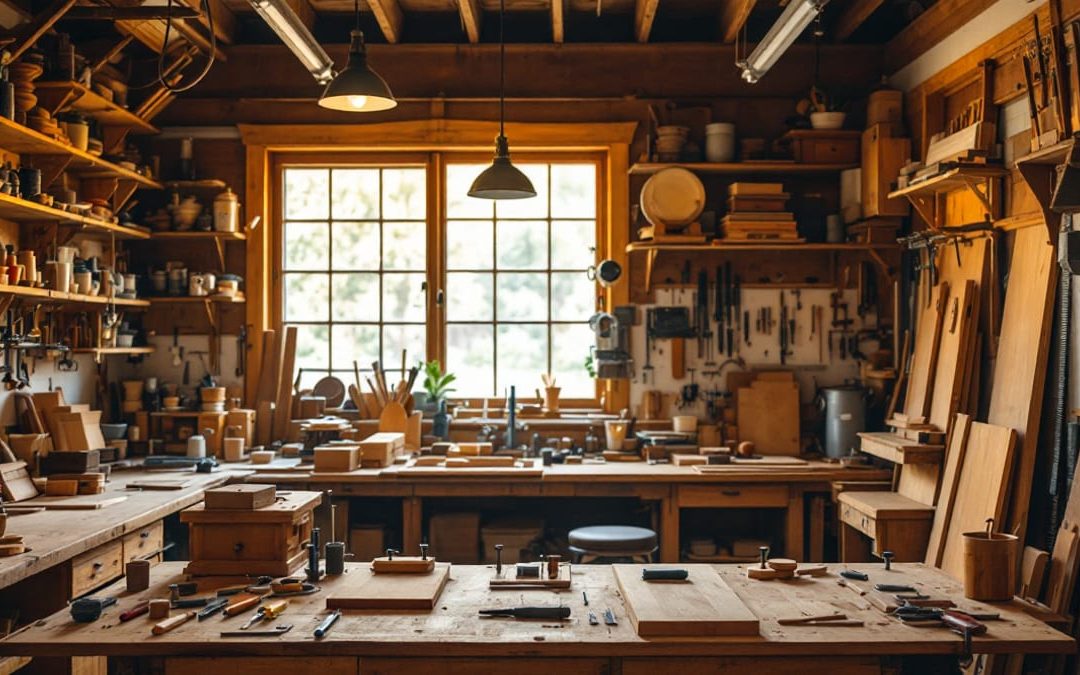
Finally, ask about their workspace. Proper furniture restoration requires adequate ventilation, controlled humidity, and the right tools for stripping, sanding, and finishing. A professional shop will have a dedicated space for this work, not a backyard setup. This is not snobbery; it genuinely affects the quality and durability of the finished result.
Questions to Ask Before You Commit
Going into any conversation with a short list of questions saves time and helps you compare shops on an equal footing. Start with: can you show me examples of similar work? Any confident, capable restorer will have a portfolio, even if it is just photos on a phone. If they struggle to show you anything comparable to your piece, that is worth noting.
Ask about the products they use and why. This is not about getting into technical detail you do not understand; it is about seeing whether they can explain their choices clearly. A restorer who uses oil-based versus water-based finishes, for example, should be able to tell you what difference that makes for your specific piece. Someone who gets defensive or vague about materials is not a great sign.
Also ask: what happens if something goes wrong? Professionals stand behind their work. You want to understand what recourse you have if the finish peels prematurely or a repair fails within a reasonable timeframe. No reputable shop will guarantee against misuse, but most will be clear about what they consider their responsibility versus wear and tear after the piece leaves their hands.
Red Flags to Watch Out For
Price is where a lot of people get tripped up. Restoration is skilled, time-intensive work, and a quote that seems dramatically lower than others should prompt questions rather than excitement. It is worth asking what that lower price reflects: fewer hours, cheaper materials, or skipping steps like proper stripping or sanding between coats. Each of those shortcuts has a visible impact on the finished piece.
Be cautious about shops that discourage you from watching part of the process or seeing the workspace. This is your property, and a good restorer should have no problem letting you understand how they work. Similarly, be wary of anyone who is reluctant to put the scope of work and timeline in writing. Verbal agreements are hard to rely on if there is a dispute later.
Finally, watch for shops that immediately push painting or opaque finishes on pieces where the natural wood grain is part of the value. Sometimes painting is the right answer, but a restorer who defaults to it without asking about your preferences or considering the piece carefully may be taking the fastest route rather than the best one.
How Our Free Matching Service Makes This Easier
Calling around Edmonton to find a furniture restoration shop that is available, qualified, and a good fit for your specific piece takes real time. Our free service does that legwork for you. You tell us about your piece, the type of work you need, and where you are in Edmonton, and we connect you with local restorers who are taking on new work and have relevant experience.
Because we work with multiple shops across Edmonton, we can help you get more than one quote so you have a genuine basis for comparison. You are never locked in, there is no obligation to proceed, and the matching itself costs you nothing. It is simply a faster way to get to the part where you are talking to someone who can actually help your furniture.
Whether your project is a quick refinish or a complex structural repair on a cherished antique, getting connected with the right shop from the start saves time, money, and the frustration of work that has to be redone. Submit your details and we will take it from there.
Frequently Asked Questions
How do I know if my furniture is worth restoring?
A good starting point is considering the piece's sentimental value, its construction quality, and what a comparable replacement would cost. Solid hardwood furniture, antiques, and well-made vintage pieces are often very much worth restoring. A reputable Edmonton restorer will give you an honest assessment after seeing the piece, including telling you if restoration costs would outweigh the result.
How long does furniture restoration typically take in Edmonton?
It depends heavily on the scope of work. A straightforward refinish might take a week or two, while complex structural repairs, veneer work, or upholstery jobs can take several weeks. Quality shops are often booked in advance, so it helps to plan ahead rather than expecting immediate turnaround.
Should I strip the furniture myself before taking it to a shop?
In most cases, no. Restorers prefer to assess and prep the piece themselves so they can control the process from the start. DIY stripping can damage veneer, raise wood grain unpredictably, or remove details that affect the final finish. Let the professional handle prep unless they specifically ask you to do otherwise.
What is the difference between furniture restoration and refinishing?
Refinishing refers specifically to removing the old finish and applying a new one. Restoration is a broader term that can include structural repairs, veneer replacement, hardware sourcing, reupholstery, and refinishing all as part of a single project. When you contact a shop, being clear about what your piece needs helps them give you an accurate quote.
Is the matching service really free?
Yes, completely. You submit your details, we connect you with suitable furniture restoration shops in Edmonton, and you decide whether to proceed with any of them. There is no fee to you for the matching, and no obligation to book anyone we suggest.
Have a piece worth saving? Modern Revival Co. restores 20th-century and mid-century furniture in Edmonton — and we buy pieces too. Get in touch for a free assessment.