
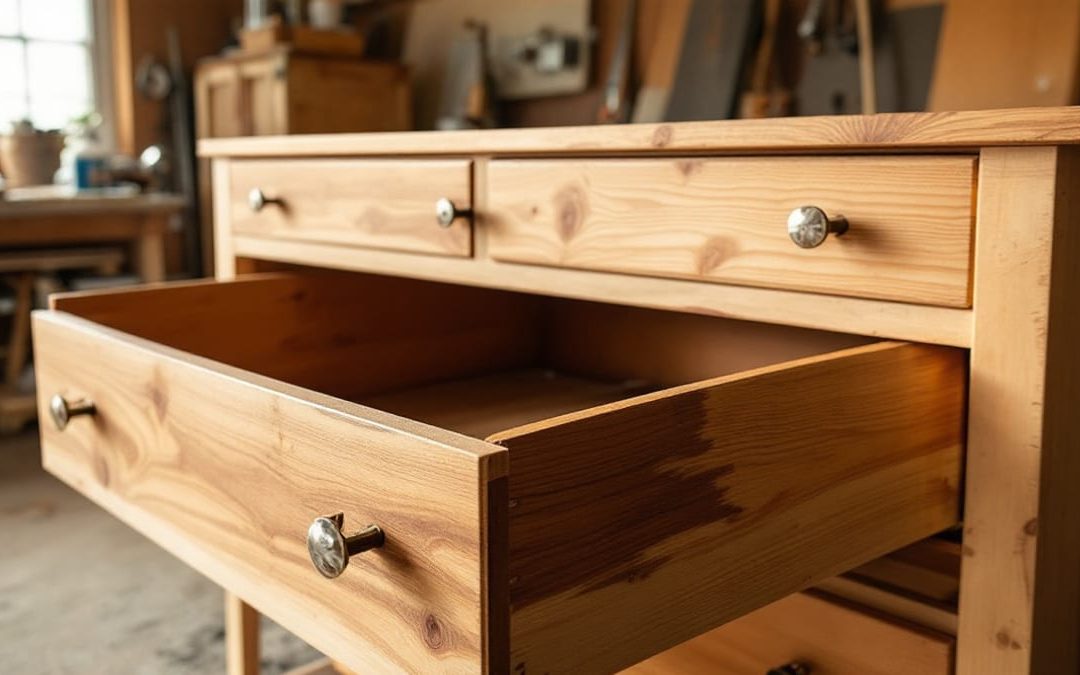
A wood dresser that looks tired, scratched, or dated can often come back to life with a proper refinishing job. Whether it's a solid hardwood piece passed down through the family or a flea-market find with good bones, refinishing strips away the old finish, corrects surface damage, and gives the wood a fresh start. The results can be dramatic, and in most cases the cost is a fraction of replacing the piece with something new.
That said, refinishing a wood dresser is a multi-step process that requires patience, the right materials, and a controlled environment. This guide walks through what actually happens at each stage, how long it realistically takes, and what kind of finish you can expect at the end. If you'd rather hand the job to a professional, our free matching service connects you with local furniture refinishers who can give you a no-obligation quote.
Step One: Stripping the Old Finish
Before any new stain or topcoat can go on, the existing finish has to come off. This is usually done with a chemical stripper, a heat gun, or a combination of both, depending on what's already on the wood. Old lacquer, varnish, shellac, and paint each respond a little differently, so a professional will typically identify the finish type before choosing a removal method.
Chemical strippers are applied in a thick coat and left to dwell for anywhere from fifteen minutes to several hours. Once the finish bubbles and softens, it's scraped off with a plastic scraper or a putty knife. Carved details, raised panels, and recessed hardware holes can make this stage slow, because every bit of old finish has to come out of corners and crevices before the next step.
After stripping, the wood is wiped down with mineral spirits or a neutralizer to stop any chemical activity and prep the surface for sanding. Skipping this step properly is one of the most common reasons a DIY refinishing job ends up looking uneven or failing to hold a new finish.
Sanding: The Step That Determines Your Final Result
Sanding is arguably the most important part of refinishing a wood dresser, and it's where a lot of time goes. The goal is to open the wood grain evenly, remove any remaining traces of old finish, and work out surface scratches, dents, or stains. Most professionals work through several grits, starting coarser and finishing fine, so the surface feels smooth and takes stain consistently.
For a typical dresser with flat drawer faces, orbital sanders speed things up. Legs, molding, and any carved details usually require hand sanding with folded sandpaper or sanding sponges. Rushing this stage by skipping grit steps leaves scratch marks that show up clearly under a stain or a light topcoat.
Between grits, the surface is wiped down to remove dust. Before staining, a final wipe with a tack cloth picks up the last fine particles. Dust contamination at this stage causes bumps and cloudiness in the finished surface, so a clean workspace matters as much as technique.
Staining, Sealing, and Topcoating
Once the wood is sanded and clean, stain goes on first if a color change is part of the project. Stain is brushed or wiped on, allowed to penetrate for a set period, and then the excess is wiped off. Porous woods like oak or ash absorb stain quickly and can go quite dark. Denser woods like maple are trickier because they absorb unevenly, which can create blotchy results without a pre-conditioner applied beforehand.
After the stain dries fully, a sealer coat locks in the color and gives the topcoat something to bond with. Topcoat options include polyurethane, lacquer, varnish, and water-based finishes. Each has a different look, durability level, and dry time. Polyurethane is popular for furniture that sees daily use because it's hard and moisture-resistant. Water-based finishes dry faster and have less odor but may require more coats.
Most refinishing jobs call for at least two topcoats, with a light sand between coats to keep the surface smooth. The final coat is often buffed lightly once it's fully cured to bring up the sheen and remove any dust nibs. Curing, which is different from simply feeling dry to the touch, can take several days to a week depending on the product used.
Realistic Timeline for Refinishing a Wood Dresser
People often underestimate how long refinishing takes, mainly because so much of the time is just waiting. A standard six-drawer dresser in reasonable condition typically takes two to four full working days for a professional, spread over several calendar days to allow proper drying between stages. A piece with heavy old paint buildup, significant damage, or complex details can take longer.
For a DIY project on weekends, the same dresser might take two to three weekends when you account for dry times between coats, trips to the hardware store for the right grit or the right product, and the learning curve on technique. That's not a criticism of doing it yourself; it's just an honest look at how the schedule usually plays out.
Weather and humidity matter too. High humidity slows drying times and can cause finishes to blush or cloud. Most professionals work in a controlled indoor space or a climate-adjusted shop. If you're refinishing in a garage or outdoors, plan around the season and check product label recommendations for temperature and humidity ranges.
What Results to Expect and When to Call a Professional
A well-executed refinishing job can make a solid wood dresser look genuinely new. The color can go lighter by using a bleaching step before staining, darker with a rich stain, or simply natural with a clear coat that lets the wood grain show. Scratches and minor dents can be filled or sanded out. Water rings, heat marks, and ink stains often disappear entirely.
There are limits, though. Deep gouges or cracks may need wood filler, which can be color-matched but rarely disappears completely under a stain. Veneer damage, where the thin decorative layer has chipped, bubbled, or peeled, is a more complex repair that requires careful work to avoid making things worse. And some finishes, like a high-gloss lacquer, are very unforgiving of surface imperfections, so the prep work has to be nearly perfect.
If you have a piece with sentimental or monetary value, or you simply want a professional-quality result without the learning curve and the mess, connecting with a local furniture refinisher is worth considering. Our free service matches you with vetted local professionals who can assess your dresser, walk through your finish options, and give you a clear quote before any work begins.
Frequently Asked Questions
Can I refinish a dresser without stripping it completely?
Sometimes, yes. If the existing finish is in good shape and you just want to refresh the look with a clear topcoat, light scuffing and cleaning can be enough. But if you want to change the color, fix stains, or the old finish is peeling and uneven, stripping down to bare wood gives you the most reliable result.
How do I know if my dresser is solid wood or veneer?
Look at the edges of the drawer faces and the sides of the piece. Solid wood shows end grain at corners and the grain pattern continues around edges. Veneer pieces often show a different material at the edge, sometimes a thin decorative strip, or the pattern looks printed rather than continuous. Veneer can still be refinished, but it requires a lighter hand with sanding.
What kind of stain or finish works best for a bedroom dresser?
For a dresser that gets daily use, a penetrating oil-based stain followed by two to three coats of polyurethane is a common and durable choice. Water-based finishes are lower odor and faster-drying but may need more coats for the same protection. Your best option depends on the wood species, the look you want, and how much wear the piece will see.
Is refinishing a dresser worth it compared to buying new?
For solid wood pieces, refinishing almost always makes financial sense when the structure is sound. The cost of professional refinishing is typically much less than replacing the piece with comparable quality furniture. Sentimental value aside, older solid wood dressers are often built to a standard that newer, lower-cost furniture doesn't match.
How do I find a reliable furniture refinisher in my area?
You can use our free matching service to connect with local furniture refinishing professionals. We match you based on your location and project type, and the quotes are completely free with no obligation to hire.
Have a piece worth saving? Modern Revival Co. restores 20th-century and mid-century furniture in Edmonton — and we buy pieces too. Get in touch for a free assessment.