
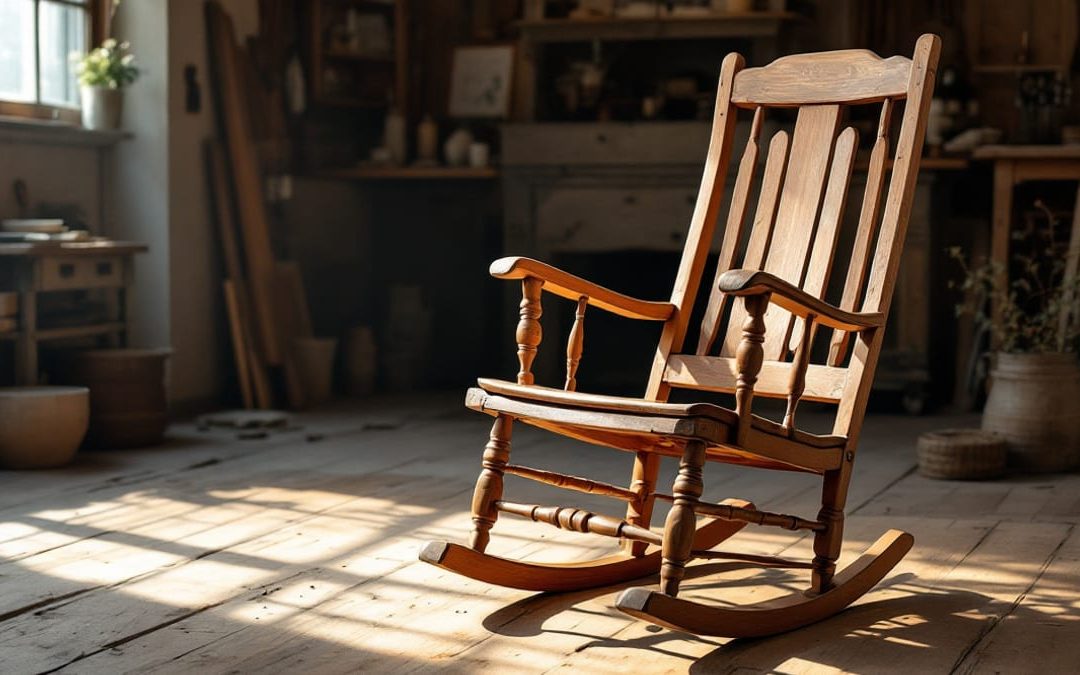
Inherited furniture puts you in a strange spot. You might love the piece, feel obligated to keep it, or simply have no idea whether it's worth the effort to fix up. The restore or replace old furniture question is one local upholsterers, furniture restorers, and antique specialists hear constantly, and the honest answer is that it depends on a handful of factors that are easy to assess once you know what to look for.
This guide walks through those factors in plain terms. It won't push you toward one answer or the other, because sometimes restoration is the smart, economical choice and sometimes a clean replacement makes more sense. By the end, you'll have a clearer picture of how to think about the piece sitting in your spare room, and how to get a real, no-obligation quote from a local professional if you want an expert opinion.
Start With the Bones: Structural Condition Comes First
Before you think about fabric, finish, or sentimental value, look at the frame. Run your hands along joints and corners. Wobbly legs, cracked rails, or frames that flex under light pressure are signs of structural trouble, but that alone doesn't mean the piece is a lost cause. Solid wood frames, especially older hardwood construction, can almost always be reglued, pinned, or splinted by a competent furniture restorer at a reasonable cost.
Particleboard or MDF cores, on the other hand, don't take well to repair. Swelling from moisture, broken joints, and delamination in those materials tend to recur even after patching. If your inherited piece has a particleboard core and genuine structural damage, replacement often makes more practical sense than restoration.
One useful test: press firmly on the seat deck or tabletop and listen. Solid wood creaks a little but holds. Particleboard often gives a soft, hollow feeling under pressure. A local restorer can confirm this for you in minutes, and most are happy to give you an honest assessment even before any work is agreed upon.
Sentimental Value and Family History Are Legitimate Factors
People sometimes apologize when they mention that a piece belonged to a grandparent, as if that's not a practical reason to restore it. It absolutely is. Furniture that carries family history has a value that doesn't show up on any appraisal, and restoring it rather than replacing it is a completely reasonable decision even when replacement might cost less on paper.
That said, it helps to be honest with yourself about how the piece will actually live in your home once restored. If you'd genuinely use a restored armchair in your sitting room, restoration makes sense. If it would go straight into storage because it doesn't fit your space or style, you might be better served finding a family member who would use and appreciate it, and replacing the functional gap in your home with something that fits your life.
There's also a middle path. Some people restore a piece purely for display or to preserve it for the next generation, keeping it in a low-traffic room or using it lightly. That's a valid choice, and a good restorer can tailor the work to that kind of use, focusing on stability and appearance without necessarily making it heavy-duty.
How to Think About Cost Without Getting Overwhelmed
Restoration costs vary widely depending on the type of work, the size of the piece, the materials needed, and who you hire. Refinishing a small side table is a very different job from reupholstering a large sectional sofa. Without a quote from a local professional, any number you read online is essentially a guess for your specific situation.
A helpful way to frame the decision: think about what a comparable replacement would actually cost, not a budget substitute but something with similar quality and durability. Good solid-wood furniture has gotten expensive, and in many cases restoration by a skilled craftsperson comes in well below what you'd spend on a genuinely equivalent new piece. That math flips when the inherited piece is lower quality to begin with, or when the restoration scope is extensive.
Get at least one professional quote before deciding. Many local restorers and upholsterers offer free or low-cost assessments. You're not committing to anything by asking, and a real number in hand makes the restore or replace old furniture decision much easier to make with confidence.
Signs a Piece Is Worth Restoring
Certain characteristics are reliable indicators that restoration will pay off. Dovetail joints in drawers, mortise-and-tenon construction in chair and table frames, solid hardwood throughout, and maker's marks or stamps from recognised manufacturers or craftspeople are all positive signs. These details point to quality original construction that can support a long second life after restoration.
Age alone doesn't guarantee quality, but furniture made before mass production became dominant often has construction standards that modern mid-range pieces don't match. A local antique dealer or furniture restorer can help you identify what you have in about fifteen minutes, and that identification can completely change the calculation.
Surface damage, including scratches, faded finish, stained fabric, and minor veneer lifting, looks bad but is almost always fixable. Don't let cosmetic wear push you toward replacement when the underlying piece is sound. Cosmetic restoration is typically the most affordable category of furniture work, and the results can be dramatic.
Finding the Right Local Professional for an Assessment
The type of professional you need depends on the work involved. Upholsterers handle fabric, foam, webbing, and cushioning. Furniture restorers or refinishers focus on wood surfaces, structural repairs, and finish work. Some shops do both. For a complex inherited piece that needs structural work and new upholstery, you may work with one specialist who subcontracts the other, or you may need to coordinate two separate tradespeople.
When you contact a local professional, bring clear photos or bring the piece itself. Describe what you know about the history of the furniture, note any damage you've spotted, and be upfront about your budget range if you have one. A straight-talking professional will tell you honestly if the work makes sense for what you want to spend.
Our free quote and matching service connects you with vetted local furniture restorers and upholsterers in your area. You describe the piece and what you're hoping to achieve, and we match you with professionals who can give you a real assessment at no cost and no commitment. It's the fastest way to get an informed answer to the restore or replace old furniture question without spending any money upfront.
Frequently Asked Questions
How do I know if inherited furniture is actually valuable?
Look for quality construction details like dovetail joints, solid hardwood frames, and maker's marks. A local antique dealer or furniture restorer can usually identify a piece quickly and give you a realistic sense of its market and restoration value. You don't need a formal appraisal just to decide whether restoration makes sense.
Is it cheaper to restore or replace old furniture?
It depends entirely on the specific piece and the scope of work needed. Cosmetic restoration is often quite affordable, while full structural rebuilding plus reupholstery on a large piece can add up. The best way to know is to get a quote from a local professional and compare it honestly against the cost of a quality replacement.
What types of damage are not worth repairing?
Severe water damage that has caused warping throughout a solid wood piece, extensive termite or rot damage, and delaminated particleboard frames are generally not cost-effective to repair. A local restorer can assess this for you, and a good one will tell you honestly if the work isn't worth pursuing.
Can any upholsterer restore old furniture, or do I need a specialist?
Upholsterers handle the fabric and cushioning side of things, which is a skilled trade on its own. Structural wood repairs and refinishing are a separate specialty. For a piece that needs both, look for a furniture restoration shop that does comprehensive work, or ask your upholsterer if they work alongside a woodworking restorer.
How do I get a quote for restoring inherited furniture?
Use our free matching service to describe your piece and connect with local furniture restorers and upholsterers in your area. You'll get a no-obligation assessment from a professional who can actually see and evaluate what you have, which is the most reliable way to make an informed decision.
Have a piece worth saving? Modern Revival Co. restores 20th-century and mid-century furniture in Edmonton — and we buy pieces too. Get in touch for a free assessment.