
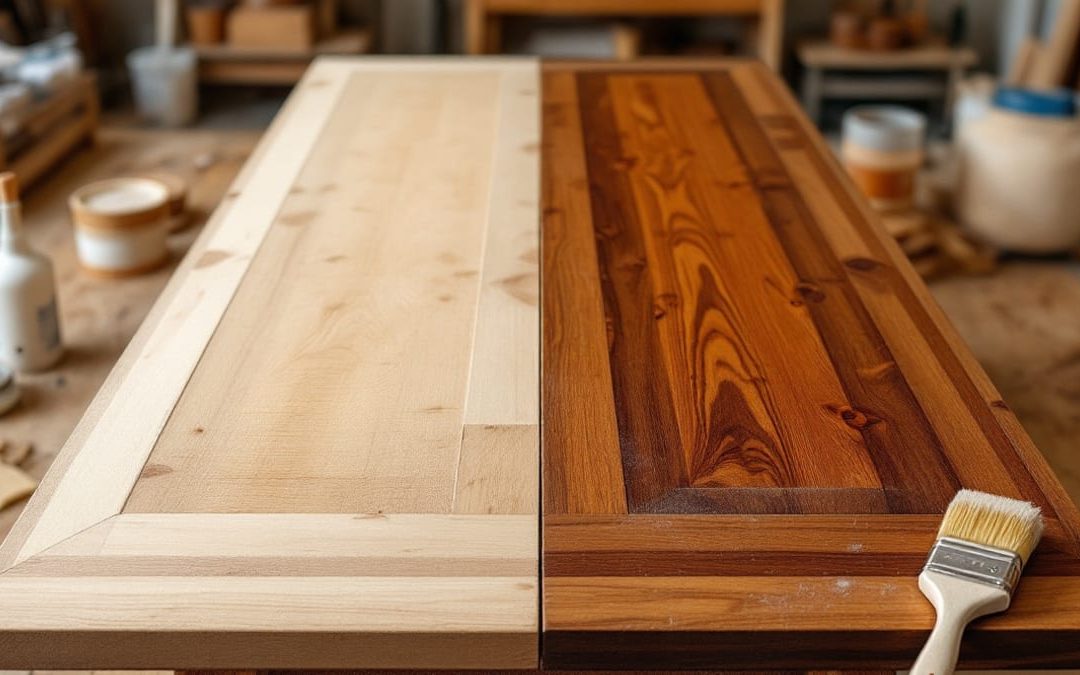
When a beloved piece of furniture starts looking worn, faded, or damaged, two words come up almost immediately: refinishing and restoration. Most people use them interchangeably, but they actually describe different scopes of work, and choosing the wrong one can cost you time, money, and in some cases a piece of genuine value. Understanding the distinction helps you have a smarter conversation with a local craftsperson and get a more accurate quote. This article breaks down what each process involves, which situations call for which approach, and how to figure out what your piece actually needs.
What Furniture Refinishing Actually Means
Refinishing is focused on the surface. A craftsperson strips away the existing finish, which could be varnish, lacquer, paint, or stain, sands the wood down to a clean base, and then applies a new finish. The goal is to make the piece look fresh and visually appealing again, without necessarily addressing structural problems or preserving its original character in a historically precise way. It is the right call when the wood itself is sound but the surface has become dull, chipped, discolored, or badly scratched.
Because refinishing removes the existing finish entirely, it does change the surface of the piece. That is worth thinking about before you proceed. On a mass-produced dining table or a secondhand dresser, that is usually no concern at all. On a piece with genuine antique value, however, stripping the original finish can reduce its worth to collectors, since an untouched original surface is considered part of the item’s authenticity. If you are not sure whether your piece qualifies as a collectible antique, it is worth getting a professional opinion before any work begins.
Refinishing is generally more affordable and faster than full restoration. If your piece is structurally solid, the joints are tight, and the hardware is intact, refinishing may be everything you need to bring it back to life.
What Furniture Restoration Actually Means
Restoration is a broader term. It typically includes refinishing as one component, but it also addresses structural repairs, missing elements, and functional issues. A chair with loose joints, a drawer that no longer closes properly, a veneer that is bubbling or peeling, or a cabinet missing one of its original decorative moldings: these are all problems that fall under restoration rather than simple refinishing.
In a more formal or antique context, restoration also carries a philosophical intention: bringing the piece back to its original condition as closely as possible. That might mean sourcing period-appropriate hardware, matching an original stain formula, or repairing a broken leg in a way that is structurally sound but also visually consistent with the rest of the piece. Skilled restorers often have backgrounds in woodworking, history, and finishing techniques that go well beyond surface work.
Restoration naturally takes more time and tends to cost more than refinishing alone, but it is the appropriate choice when a piece has sentimental or monetary value and genuinely needs structural attention. Skipping restoration work and only refinishing a structurally compromised piece is a bit like painting over a crack in a wall: it looks better for a while, but the underlying problem remains.
How to Decide Which Service Your Piece Needs
Start by giving your furniture an honest physical assessment. Sit in the chair and see if it wobbles. Open every drawer and check whether it slides smoothly. Look at joints, corners, and legs for signs of separation or damage. Check any veneer for lifting edges or bubbling. If the only problem is how it looks and everything else is sound, refinishing is likely sufficient. If you find structural issues on top of cosmetic ones, budget and plan for restoration.
Next, think about the piece’s history and value. Is it a family heirloom that has been passed down through generations? Is it a piece you suspect might have genuine antique value? If either of those is true, consult with a furniture restoration professional before doing anything. Some pieces are worth preserving carefully; others are worth refreshing quickly. Knowing which category your furniture falls into shapes every decision that follows.
Finally, consider your goal. If you simply want the piece to look good in your home and function reliably, refinishing is often a perfectly practical choice. If you want to preserve it accurately, pass it on in its best possible condition, or maintain its value for resale or appraisal purposes, restoration is worth the additional investment.
Common Misconceptions About Both Processes
One of the most common misconceptions is that refinishing automatically makes something look better than restoration. That is not necessarily true. A thoughtful restoration that preserves the original patina and character of a piece can look extraordinary, while a rushed refinishing job that uses the wrong stain or finish can make an antique look cheap and new in all the wrong ways. The quality of the outcome depends more on the skill of the person doing the work than on which process is chosen.
Another misconception is that restoration is always the more expensive option. For a piece that only needs a new surface, adding unnecessary structural work would inflate the cost for no reason. But for a piece that genuinely needs both surface and structural attention, attempting to refinish it without addressing the underlying problems often means paying twice: once now, and again later when those problems worsen.
People also sometimes assume that DIY refinishing is a straightforward weekend project. It can be, for small simple pieces. But stripping, sanding, staining, and finishing furniture properly requires patience, the right materials, and good technique. A poor finish application can look worse than what you started with. Getting at least one professional quote before deciding to go the DIY route is a reasonable step, especially for anything you genuinely care about.
Finding the Right Local Professional for the Job
Whether you need refinishing, restoration, or a professional opinion on which one fits your situation, finding the right local craftsperson matters. Look for someone who asks you questions about the piece before quoting a price: what it is made of, how old it is, what kind of damage it has, and what you want the end result to look like. A professional who listens carefully and gives you a considered answer is a much better sign than someone who quotes a flat rate without seeing the piece.
A free quote or matching service can be a practical starting point. Rather than calling several shops individually and describing your piece over and over, a matching service connects you with local professionals who have relevant experience, so you can compare approaches and pricing without doing all the legwork yourself. It costs nothing to get that initial guidance, and it often surfaces options you would not have found through a quick internet search.
Before committing to any professional, ask to see examples of similar work they have completed. A refinishing job on a painted piece looks very different from a hand-rubbed oil finish on walnut, and a craftsperson’s portfolio tells you quickly whether their style and skill level match what your piece needs.
Frequently Asked Questions
Does refinishing damage an antique’s value?
It can. Stripping an original finish removes part of the historical integrity of a genuine antique, which collectors and appraisers factor into value. If you suspect a piece has significant antique value, consult a restoration professional or appraiser before any surface work is done.
Can a piece be refinished without being restored?
Yes, and this is actually the more common scenario. If the structure of a piece is solid and the only issues are cosmetic, such as a dull, scratched, or faded surface, refinishing alone addresses the problem without the need for structural repair work.
How do I know if a piece needs restoration versus just refinishing?
Check the structure first. Wobbling legs, loose joints, lifting veneer, broken hardware, or missing components all point toward restoration. If the piece is physically sound and functional but looks worn, refinishing is usually the right call.
Is furniture restoration worth the cost for sentimental pieces?
For most people, yes. A well-restored piece can last for decades more and hold its meaning for future generations. The cost varies depending on the extent of the damage and the type of piece, so getting a detailed quote from a local professional gives you the clearest picture of what is actually involved.
What information should I have ready when requesting a quote?
It helps to know the type of wood if possible, the approximate age of the piece, a description of the damage or issues, and what finish or look you are hoping to achieve. Photos are especially useful for giving a professional an accurate sense of scope before they provide a quote.
Have a piece worth saving? Modern Revival Co. restores 20th-century and mid-century furniture in Edmonton — and we buy pieces too. Get in touch for a free assessment.