
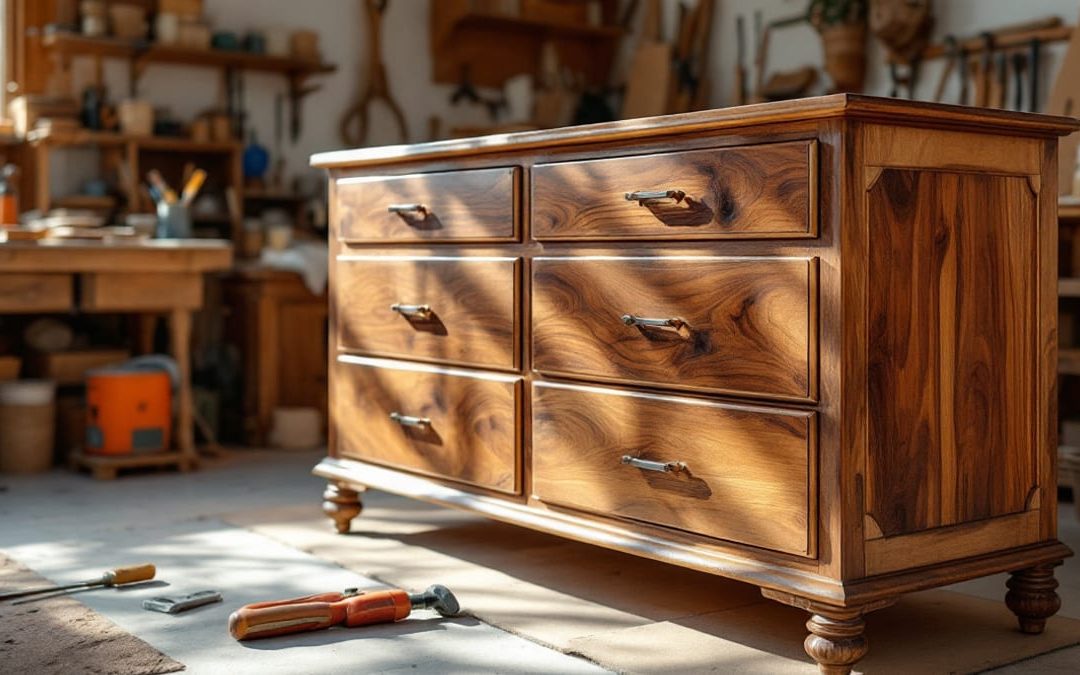
A solid wood dresser passed down from a grandparent, a mid-century sofa with good bones but worn fabric, a dining table scarred by years of homework and holiday meals. Edmonton homeowners restore furniture for all kinds of reasons, and the process can range from a quick refinish to a full structural rebuild. Understanding what actually goes into restoration work helps you set realistic expectations, ask the right questions, and decide whether repair or replacement makes more sense for a given piece. This article walks through the main types of furniture restoration, the factors that drive cost, and how to connect with a skilled local craftsperson who can give you an honest assessment.
What Furniture Restoration Actually Means
Restoration is a broad term, and professionals use it differently depending on their background. In a strict conservation sense, restoration means returning a piece as closely as possible to its original condition using period-appropriate materials and techniques. In everyday trade use, it covers anything from stripping and refinishing a tabletop to rebuilding a broken chair joint, reupholstering a loveseat, or touching up veneer that has started to lift and bubble. Most furniture restorers in Edmonton handle a mix of these tasks, though some specialists focus exclusively on antiques, upholstery, or painted finishes.
Wood furniture restoration typically involves cleaning, stripping old finish, repairing structural damage like loose joints or cracked panels, sanding, staining if required, and applying a new topcoat. Upholstered pieces follow a different path: the restorer strips the old fabric and padding, inspects or replaces the springs and webbing, applies new foam or batting, and then fits the chosen fabric. Some jobs combine both, like a wooden-framed armchair that needs both its finish freshened and its cushions replaced.
It is worth knowing the difference between restoration and refinishing before you call anyone. Refinishing refers specifically to removing and replacing the surface finish on wood. Restoration is the wider umbrella. When you describe your piece to a restorer, being specific about what is wrong (wobbles, scratches, faded finish, torn fabric, broken leg) will get you a faster and more accurate quote than using general terms.
Factors That Affect Restoration Costs in Edmonton
No two restoration jobs cost the same, and price depends on several overlapping variables. The size of the piece matters: refinishing a small accent table takes far less time and material than stripping and recoating a full dining room suite. The type of wood matters too, because some species are harder to work with, and exotic or figured veneers require more careful handling to avoid damaging them during stripping.
The extent of the damage is often the biggest cost driver. Surface-level scratches or a cloudy finish are relatively quick to address. Structural repairs, like re-gluing multiple loose joints, replacing a broken leg, or rebuilding a drawer that has fallen apart, add labour time and sometimes material costs for replacement hardware or timber. Water damage and heat damage can also complicate the refinishing process if the wood has raised grain, deep staining, or warped panels that need flattening.
For upholstered pieces, fabric choice has a major impact on the final bill. A restorer might charge a reasonable base rate for labour, but if you select a high-end fabric, the material cost alone can exceed the labour. Foam and padding quality also varies, and a proper restorer will discuss the differences rather than just use whatever is cheapest. Finally, the restorer's experience level and whether they operate from a shop or as a mobile service can influence pricing, though a shop-based craftsperson often has equipment that leads to a cleaner result on complex jobs.
Because costs vary so much, getting at least two or three quotes for any significant piece is a reasonable approach. A free quote service can simplify this by connecting you with vetted local professionals who can inspect the piece and give you a written estimate.
Common Types of Furniture Restoration Work
Refinishing is the most frequently requested service. Homeowners often come in with a piece that has a dull, yellowed, or heavily scratched finish and want it to look as it did when new, or sometimes in a completely different colour or sheen. The restorer strips the old finish (by hand, chemically, or both), prepares the surface, and applies fresh stain and topcoat. The final product depends heavily on the skill of the person doing the work and the quality of materials used.
Structural repairs come in a close second. Chairs are the most common culprit because they absorb stress from every direction every time someone sits down. Loose rungs and back spindles, broken seat rails, and wobbly legs are all repairable if the surrounding wood is sound. The restorer will clean old glue from the joint, apply fresh adhesive, clamp the piece until the bond cures, and often reinforce the repair from inside the frame. A good structural repair, done properly, can outlast the original joint.
Veneer repair is a specialized skill worth asking about directly. Antique furniture and mid-century modern pieces often use thin wood veneer over a substrate, and veneer can bubble, crack, or chip over time. A skilled restorer can re-glue bubbles, fill chips with matching patch veneer, and blend the repair so it is nearly invisible. This requires patience and a good eye for grain matching, so it is worth asking to see examples of previous veneer work before committing.
Upholstery restoration is its own trade, and some shops specialize in it exclusively while others offer it alongside wood restoration. If your piece needs both, a shop that handles both internally can coordinate the work more smoothly than sending the frame to one place and the upholstery to another.
Is Restoration Worth It? Questions to Ask Before You Decide
The honest answer is: it depends on the piece and on what it means to you. A solid hardwood antique with good joinery is almost always worth restoring because you cannot buy equivalent craftsmanship new at any reasonable price. A piece made from particleboard or MDF, on the other hand, has limited restoration potential because the substrate does not hold repairs well and cannot be refinished the way solid wood can. A good restorer will tell you this upfront rather than take your money for work that will not hold.
Sentimental value is a legitimate reason to restore a piece even when the economics do not strictly make sense. If a piece has family history, a restoration quote is still worth getting so you can make an informed decision with real numbers in front of you.
Before calling anyone, take a close look at the piece and note what specifically is wrong. Check whether the joints are solid or wobbly. Look at the finish in good light to see whether the damage is surface-level or has penetrated the wood. On upholstered pieces, check whether the frame is still solid or if it flexes and creaks when you sit. The more specific you can be, the more useful your quotes will be.
Asking a restorer whether they are happy to work on a particular piece is also a good signal of their integrity. A craftsperson who turns down work because it is not the right fit for their skills, or because the piece is not worth the investment, is far more trustworthy than one who will take any job regardless of the outcome.
Finding a Qualified Furniture Restorer in Edmonton
Edmonton has a range of furniture restorers, from large upholstery and refinishing shops to individual craftspeople who work from smaller studios. Word of mouth is historically the best way to find someone good, but it is not always available. Asking a local antique dealer for a referral is another reliable route because dealers send pieces out for restoration regularly and have practical experience with who does quality work.
When you contact a restorer, ask whether they do the work themselves or subcontract it. Some shops act as a front-end operation and farm the actual work out, which adds a layer between you and the person holding the tools. Neither arrangement is inherently wrong, but you should know what you are getting. Also ask how long they have been doing this type of work and whether they have photos of comparable jobs.
A free quote and matching service takes some of the legwork out of this process by connecting you with local professionals who have been reviewed and can respond quickly to your request. You describe the piece, note what is wrong, and receive quotes from restorers in the Edmonton area who handle that kind of work. There is no obligation to proceed, and comparing quotes gives you a realistic sense of what the job should cost before any money changes hands.
Frequently Asked Questions
How long does furniture restoration typically take in Edmonton?
It varies a lot depending on the job. A straightforward refinish on a small piece might take a few days. A full restoration involving structural repairs, refinishing, and reupholstery can take several weeks, especially if a shop has a queue. Ask any restorer for a timeframe upfront and get it in writing.
Can painted furniture be restored the same way as stained wood?
The process is similar in structure but different in detail. Painted finishes are stripped or sanded back, surface imperfections are filled and primed, and a fresh paint is applied. Because the grain does not show, some surface preparation shortcuts are possible, but a quality result still requires careful work between coats.
Is it possible to match an existing stain colour on a partial repair?
An experienced restorer can often get very close, but a perfect match is not always possible, particularly on aged wood where the colour has shifted over decades. On visible surfaces, some restorers prefer to refinish the entire panel or piece so the colour is consistent throughout rather than leaving a visible patch.
Do I need to bring the furniture to the restorer's shop, or will they pick it up?
This depends on the restorer. Some shops offer pickup and delivery for larger pieces, sometimes at an additional charge. Others require you to bring the item in. It is worth asking when you first make contact, especially for heavy items like armoires or large dining tables.
What information should I have ready when requesting a quote?
The more detail the better. Know the approximate dimensions, the type of furniture (chair, table, cabinet, etc.), the material if you know it, and a clear description of what is wrong. Photos are extremely helpful and most restorers will ask for them before giving even a rough estimate.
Have a piece worth saving? Modern Revival Co. restores 20th-century and mid-century furniture in Edmonton — and we buy pieces too. Get in touch for a free assessment.