
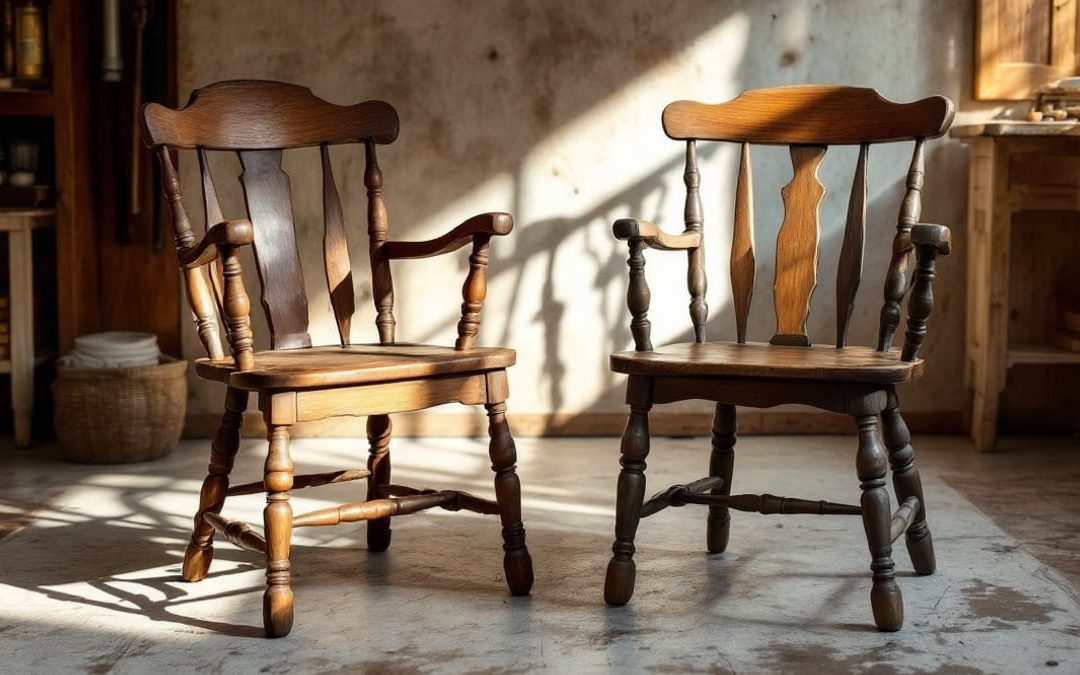
That old dining table sitting in the garage, the wingback chair with the split leg, the mahogany dresser that belonged to your grandparents: most people have at least one piece of furniture they can’t quite bring themselves to throw out. The question is whether holding onto it makes practical sense, or whether sentiment is clouding the decision. Knowing the difference between a piece worth saving and one that’s simply old can save you real money and real frustration.
This guide walks through the honest factors that furniture restorers and antique specialists weigh every day. Whether you’re dealing with a genuine heirloom, a solid secondhand find, or something in between, the answers here will help you decide your next move with confidence.
What Makes a Piece a Good Candidate for Restoration
The single biggest indicator is construction quality. Furniture built with solid hardwood joinery, dovetail drawers, mortise and tenon joints, or hand-carved detailing was made to last generations, and a skilled restorer can bring it back to a genuinely usable condition. Flat-pack furniture, laminate-over-particleboard pieces, or anything held together primarily with staples and glue blocks rarely justifies the labour cost of restoration.
Age matters, but not in a simple ‘older equals better’ way. A well-made mid-century modern sideboard from the 1960s can be just as worth restoring as a Victorian writing desk, depending on the wood species, the joinery, and the extent of the damage. What you’re really looking for is whether the bones of the piece are structurally sound and whether the material can be worked with properly.
Sentimental or family provenance is a completely legitimate reason to restore something, even if the market value doesn’t stack up on paper. Restorers understand this. The honest conversation to have upfront is about your expectations: are you restoring it to use daily, to display, or simply to preserve it for the next generation?
Common Types of Damage and Whether They’re Fixable
Surface damage is almost always fixable and rarely justifies scrapping a piece. Scratches, watermarks, faded varnish, worn upholstery, and minor discolouration are bread-and-butter work for any competent furniture restorer. In most cases the surface can be stripped, re-stained, and refinished to look better than it did a decade ago.
Structural damage takes more assessment. Broken legs, loose joints, cracked frames, and warped panels can often be repaired by a skilled craftsperson, especially on solid wood furniture. The concern is when damage is extensive across multiple joints simultaneously, or when the wood itself has rotted or been compromised by moisture over a long period. In those situations, the repair may cost more than the piece is realistically worth.
Upholstery replacement is a separate trade from woodwork, and it adds to the overall budget. A chair that needs both a full reupholster and structural woodwork repairs is going to cost considerably more than one that just needs fabric. That said, good upholsterers can transform a structurally sound chair with tired fabric into something that looks completely new, which is often a worthwhile investment for a quality frame.
How to Think About Cost Versus Value
A useful starting point is to look at what a comparable replacement piece would cost you new or secondhand. If a similar solid oak sideboard in good condition sells for a meaningful amount at antique dealers or on specialist resale sites, and your restoration quote comes in well below that, the numbers are on your side. If your piece has no real resale market and the repair quote is high, you’re making a personal choice rather than a financial one, which is fine as long as you go in with clear eyes.
For genuinely antique or collectible pieces, it’s worth getting an appraisal before deciding on restoration. Some antique furniture actually loses market value if refinished incorrectly, because collectors prefer original patina and finish. A professional restorer who understands period furniture will advise you on this rather than just proceeding with a standard refinish.
Our free quote service connects you with local furniture restorers who can assess your specific piece and give you an honest estimate. There’s no obligation involved, and getting a quote is usually the fastest way to move from guessing to knowing.
When Restoration Probably Isn’t Worth It
There are situations where walking away is the right call, and a good restorer will tell you so rather than take your money. If the primary structural material is particleboard or MDF rather than solid timber, repairs tend to be short-lived because those materials don’t hold screws or joints the way solid wood does. You can fix the surface, but the underlying structure will keep moving and failing.
Extensive woodworm or beetle damage is another serious concern. Minor historic woodworm activity (the holes with no fresh powder) is often fine and can be treated. Active infestations, or structural members that have been heavily tunnelled, can leave a piece genuinely compromised even after treatment. An experienced restorer can tell you which situation you’re dealing with.
Finally, if you simply don’t like the piece or it doesn’t fit your home and you’ve been holding onto it out of guilt, restoration isn’t likely to change that. It’s worth being honest with yourself about whether you actually want the furniture or whether it’s time to pass it on to someone who will genuinely use it.
Getting the Right Local Professional for the Job
Furniture restoration covers a wide range of specialisms. Some restorers focus on antique and period furniture, others on modern pieces, and upholstery is often a completely separate trade. When you’re reaching out for quotes, being specific about what you have, what’s wrong with it, and what you’re hoping to achieve helps the professional give you a realistic assessment rather than a speculative one.
Ask whether they can show examples of similar work they’ve completed. Good restorers are usually proud of before-and-after results and happy to share them. It’s also reasonable to ask about their approach to your specific type of piece, particularly if it has any antique or collectible value.
Using a local quote matching service means you’re not starting from scratch trying to find someone reputable. The professionals in our network are local to your area, and getting a no-obligation quote is the most practical first step you can take once you’ve decided a piece is worth investigating further.
Frequently Asked Questions
How do I know if my old furniture is antique or just old?
Generally, furniture needs to be at least 100 years old to be classified as antique, while pieces from roughly 1920 to 1980 are usually called vintage. Construction details help a lot: hand-cut dovetail joints, irregular screw heads, and secondary woods like pine or poplar used for drawer backs are signs of older craftsmanship. If you’re unsure, a local antique dealer or appraiser can usually give you a quick assessment.
Will restoring furniture damage its antique value?
It can, depending on how it’s done. Heavy sanding, stripping original finish, or repainting can reduce the value of genuinely collectible pieces because collectors often value original patina and surface. A restorer experienced in antique furniture will know when to conserve rather than refinish. Always mention any potential antique value when requesting a quote so the professional can advise appropriately.
Is it cheaper to restore furniture or buy new?
It depends heavily on the piece. Restoring quality solid wood furniture often costs less than buying a comparable new piece of the same quality, because good hardwood furniture is expensive to produce today. However, restoration of budget or flat-pack furniture rarely makes financial sense. Getting a quote from a local restorer gives you an actual number to compare against replacement options.
How long does furniture restoration typically take?
Simple refinishing jobs might be completed in a few days, while more complex structural repairs or full upholstery work can take several weeks, especially if the restorer is in demand or needs to source specialist materials. It’s worth asking for a timeframe estimate when you get your quote so you can plan accordingly.
Can I get a quote without transporting the furniture first?
Many restorers can give an initial estimate based on clear photos and a description of the damage, which helps you decide whether it’s worth pursuing before going to the effort of moving a large piece. A more precise quote usually requires an in-person inspection, but starting with photos is a perfectly reasonable first step.
Have a piece worth saving? Modern Revival Co. restores 20th-century and mid-century furniture in Edmonton — and we buy pieces too. Get in touch for a free assessment.