
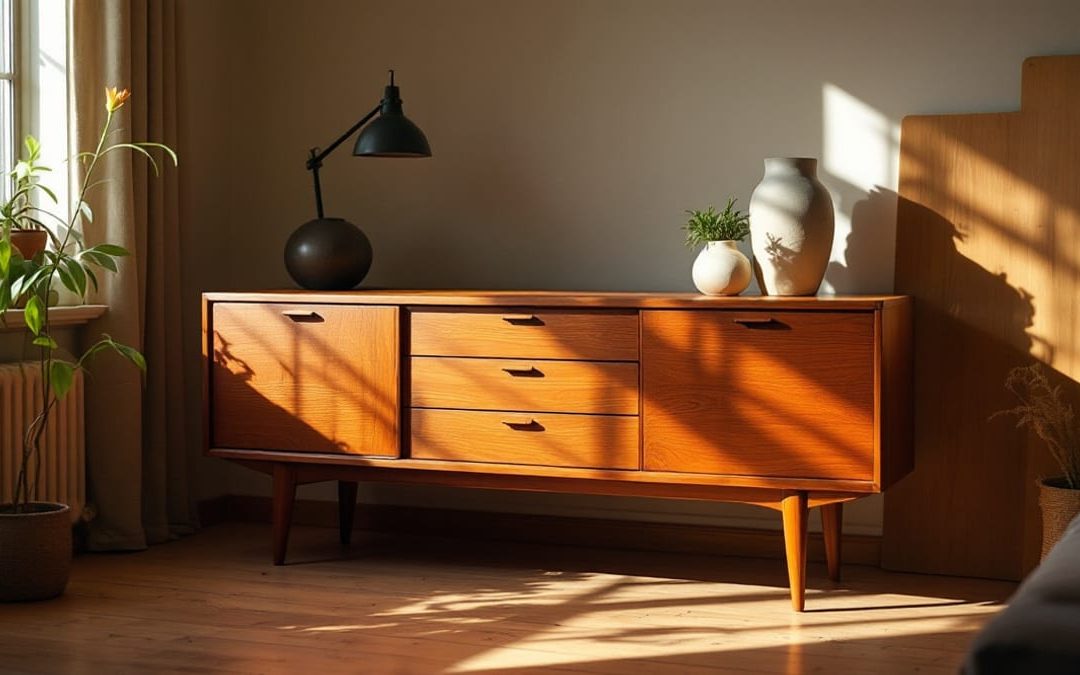
Mid century modern furniture has a way of holding its value, both sentimental and monetary, better than almost anything else you can find at an estate sale or tucked in a garage. A well-made Danish teak sideboard or an Eames-era lounge chair from the 1950s or 1960s was built to last, but decades of sunlight, humidity, scratches, and worn upholstery take their toll. The good news is that most pieces are absolutely worth restoring, and skilled local craftspeople who specialize in this style can bring them back without destroying what makes them special in the first place.
This article covers the main things homeowners ask about mid century modern furniture restoration: which repairs are realistic, what the process actually involves, how to find someone who understands the style, and how to get started without overpaying or guessing. If you already know you want quotes from local specialists, our free matching service connects you with vetted professionals in your area at no cost and with no obligation.
Why Mid Century Modern Pieces Need a Specialist
Not every furniture restorer is the right fit for mid century modern work. The style has very specific design principles: clean lines, minimal ornamentation, honest use of materials like teak, walnut, rosewood, and molded fiberglass. A restorer who defaults to heavy lacquers, ornate carvings, or mismatched wood fillers can ruin the look of a piece even while technically fixing its function.
Good MCM restoration requires someone who understands the original finishing techniques. Teak, for example, was often finished with oil rather than varnish, and applying a thick polyurethane coat over it changes the entire character of the wood. Upholstery choices matter just as much. Period-appropriate fabrics, foam densities, and button placements are details that a generalist might skip past but that an enthusiast or specialist will get right.
When you use a matching service like ours, you can specify that you have a mid century modern piece and be connected with restorers who have direct experience with the style. That saves you from spending time on consultations with shops that are better suited to Victorian or country-style furniture.
Common Restoration Work on MCM Furniture
Wood refinishing is the most frequent reason people seek out mid century modern furniture restoration. Teak and walnut develop a gray, oxidized surface over time, or they get buried under layers of old varnish applied by well-meaning previous owners. Stripping back to bare wood, cleaning the grain, and applying an appropriate oil or low-build finish can make a piece look almost new without losing any of the patina that makes it desirable.
Structural repairs come up often too. Joinery on older pieces can loosen as glue breaks down over decades. Leg repairs, rail regluing, and replacing missing hardware are all routine jobs for an experienced restorer. Original hardware, like tapered brass pulls or sculpted aluminum legs, is worth preserving wherever possible, and a good specialist will source period-appropriate replacements when originals are too damaged.
Upholstery is the third big category. Foam cores in chairs and sofas from this era are almost certainly degraded by now, crumbling or compressing unevenly. Replacing the foam, webbing, and fabric while keeping the original frame is a very common job. Choosing the right fabric matters: wool bouclé, vinyl, leather, and period-correct textiles all work depending on the piece and your budget. A specialist can show you options that look right for the era without forcing you into something impractical for everyday use.
Finally, some pieces need veneer repair. MCM furniture frequently used thin veneers over plywood or particleboard cores, and those veneers can bubble, chip, or peel. Repairing veneer cleanly, especially on curved or sculpted surfaces, is a skilled job that not every shop can handle well.
How to Evaluate a Mid Century Modern Furniture Restorer
Before you hand over a piece you care about, take some time to look at a restorer's actual past work. Photos of completed projects tell you a lot. You want to see clean, even finishes, crisp upholstery lines, and evidence that the restorer understands what the finished piece should look like. If their portfolio is heavy on ornate antiques and light on clean-lined modern work, that is useful information.
Ask about their approach to the specific material in your piece. If you have a teak credenza, ask them directly how they would finish it and why. If you have a fiberglass shell chair, ask how they handle cracks or crazing. A knowledgeable restorer will have a clear, confident answer. Vague responses or an immediate jump to "we can do anything" without specifics should give you pause.
Turnaround time and communication matter too. Restoration is rarely a fast process, but you should have a realistic timeline upfront and a contact you can actually reach if you have questions midway through. Get everything in writing before work begins: the scope of the job, the materials to be used, the cost, and the timeline. That protects both you and the restorer.
Restoration vs. Refinishing vs. Upcycling
These three terms get used interchangeably sometimes, but they mean different things and produce very different results. Restoration aims to return a piece as closely as possible to its original condition, using period-appropriate materials and techniques. This is the right approach for pieces with real collector value or strong sentimental meaning.
Refinishing is a broader term that usually means stripping and recoating the surface, sometimes in a different color or with a different finish product. Done well on an everyday piece, refinishing can look great. Done on a valuable piece with original finish intact, it can reduce the value considerably. If you are unsure whether your piece has collector interest, get an opinion before anyone strips anything.
Upcycling or repainting is a legitimate choice for pieces that are structurally sound but otherwise not particularly valuable, where you want a specific aesthetic rather than historical accuracy. Painting a teak piece is a controversial choice in MCM circles, but it is your furniture. Just understand the trade-off: a painted piece is generally harder to sell later if your tastes change. A good restorer will be honest with you about which approach actually fits your goals.
Getting Local Quotes for Furniture Restoration
Restoration costs vary a lot based on the piece, the condition it is in, the materials required, and the local market where you live. A simple wood refinish on a small side table is a very different job from a full structural rebuild and reupholster on a sofa. Because of that range, the only reliable way to understand what your specific project will cost is to get actual quotes from actual local craftspeople.
Our free service matches you with local furniture restoration specialists who have experience with mid century modern pieces. You describe your furniture, the condition it is in, and what outcome you are hoping for. We connect you with qualified local professionals who can assess the job and provide quotes. There is no cost to use the service and no obligation to hire anyone.
Getting multiple quotes is always a good idea for restoration work. It helps you understand the market rate, lets you compare approaches (not just prices), and gives you a sense of which restorer actually listens to what you want. Use the form below to get started.
Frequently Asked Questions
Is mid century modern furniture worth restoring or should I just replace it?
For most solid-wood or quality-frame MCM pieces, restoration is well worth it. Original pieces from the 1950s through 1970s were often made with better materials and joinery than modern budget replacements. If the frame is structurally sound, a good restorer can usually bring the piece back for less than a comparable quality replacement would cost, and you keep the original character of the furniture.
How do I know if my MCM piece is valuable enough to warrant professional restoration?
Look for maker's marks, labels, or stamps on the underside of the piece. Brands like Herman Miller, Knoll, G-Plan, Ercol, and Broyhill Brasilia have well-documented collector markets. Even unmarked pieces in solid teak or walnut tend to hold their value when restored properly. If you are unsure, a restorer or a furniture appraiser can give you a rough sense of the piece's significance before any work begins.
Will refinishing my teak furniture reduce its value?
It depends on the piece and how it is refinished. A heavy lacquer or polyurethane coat over teak is generally considered the wrong approach and can reduce collector appeal. An oil-based finish that respects the grain and character of the wood is a different story. If value is a concern, ask your restorer specifically what product they plan to use and why before approving any work.
Can I restore MCM furniture myself or should I hire a professional?
Some tasks, like cleaning and oiling a teak surface or replacing simple hardware, are manageable for a careful DIYer. Structural repairs, veneer work, and upholstery replacement are harder to do well without experience. The main risk with DIY on valuable pieces is making a mistake that costs more to correct than the original professional job would have. For anything significant, at least get a professional assessment first.
How do I find a furniture restorer who actually knows mid century modern style?
Ask to see photos of past MCM projects specifically, not just general furniture work. Ask how they would approach your particular material (teak, walnut, fiberglass, etc.). Look for someone who talks about the original finish and design intent, not just the repair itself. Our free quote matching service lets you specify MCM work and connects you with local specialists who have relevant experience.
Have a piece worth saving? Modern Revival Co. restores 20th-century and mid-century furniture in Edmonton — and we buy pieces too. Get in touch for a free assessment.