
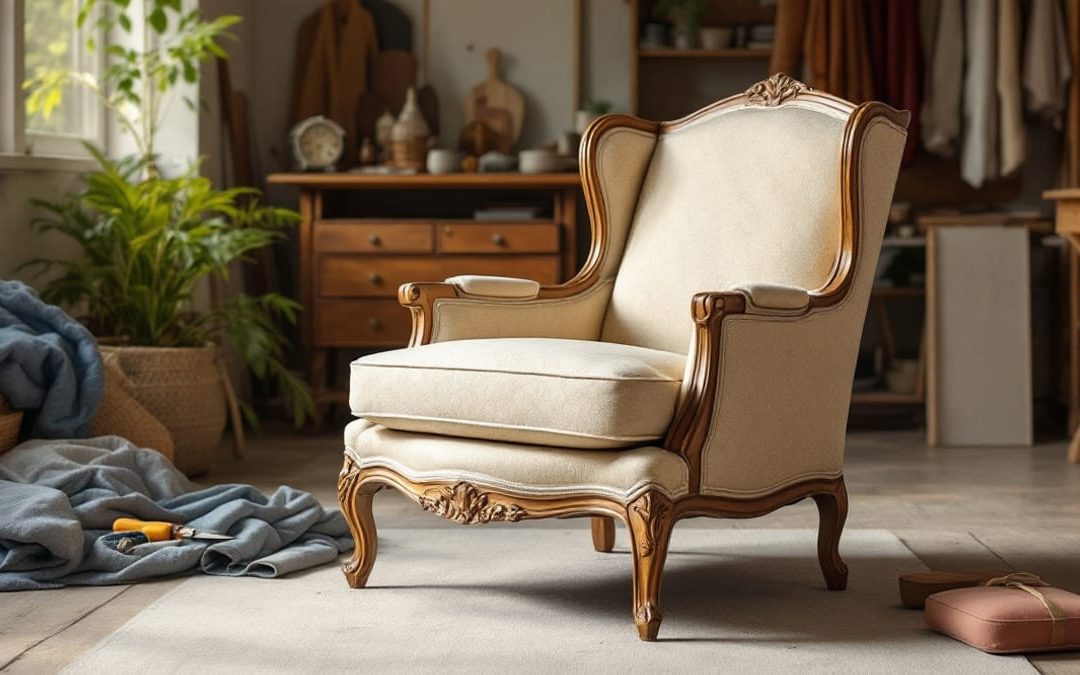
That wingback chair your grandmother left you, or the mid-century sofa you scored at an estate sale, deserves better than a slow death in storage. Reupholstery in Edmonton gives tired, structurally sound furniture a second life, swapping out worn fabric, flattened foam, and broken springs for fresh materials that can last another generation. The result is a piece that fits your space exactly the way you want it, rather than settling for whatever mass-produced option happens to be on a showroom floor right now.
Edmonton has a solid community of upholstery craftspeople who work on everything from Victorian parlour chairs to 1970s sectional sofas. Whether you inherited something sentimental or just refuse to throw away a well-built frame, connecting with the right local shop makes the difference between a mediocre refresh and a genuinely impressive restoration. This guide walks you through what the process looks like, what questions to ask, and how our free matching service can point you toward a qualified upholsterer in your area.
Why Reupholstery Makes Sense for Vintage Furniture
Older furniture, particularly pieces made before flat-pack manufacturing became the norm, was often built with hardwood frames, hand-tied coil springs, and joinery meant to last decades. Reupholstering that kind of frame rather than replacing it is both economically and environmentally sensible. You keep a structurally superior piece in circulation instead of sending it to landfill and buying something that may not hold up as well.
Vintage chairs and sofas also carry proportions that modern furniture rarely replicates. A genuine 1950s lounge chair has a seat depth, arm height, and back rake that many people find far more comfortable than contemporary equivalents. Reupholstery lets you preserve those proportions while choosing fabric, colour, and texture that suit your current home.
There is a sentimental dimension too. Heirloom furniture holds family history, and a skilled Edmonton upholsterer can restore it without erasing the character that makes it meaningful. Many shops will even preserve original fabric samples or buttons at a customer's request, which is a thoughtful touch for pieces with personal significance.
What the Reupholstery Process Actually Involves
Most reupholstery projects start with a thorough assessment of the frame. An upholsterer will check for loose joints, cracked wood, and damaged webbing or spring systems before any fabric is selected. If structural repairs are needed, they are done at this stage, because there is no point wrapping beautiful new fabric around a frame that is going to wobble or creak.
Once the frame is sound, the old fabric and padding are stripped back completely. This is where a good upholsterer earns their fee: they document how each piece was originally constructed so they can replicate or improve on the pattern when cutting and applying new material. Foam or fibre padding is replaced to restore the original loft and feel, and in traditional restorations, coil springs may be re-tied by hand.
Fabric selection is the most visible part of the process for most customers. Edmonton upholsterers typically work with a wide range of materials including wool blends, linens, velvets, leather, and performance fabrics designed to resist pets and heavy use. Your choice affects both the final look and the long-term durability of the piece, so a good shop will walk you through options suited to how the furniture is actually used day to day.
Timelines vary depending on the complexity of the piece and how busy the shop is, but straightforward dining chair seats can turn around quickly while a fully restored Victorian sofa might take several weeks. Getting a clear timeline upfront helps you plan, especially if the piece in question is your primary living room seating.
Choosing a Reupholstery Professional in Edmonton
Not every upholsterer takes on vintage or antique work, so it pays to ask directly before committing. Some shops focus on automotive interiors or commercial contract work and may not have the right experience for delicate period furniture. Ask to see examples of similar projects, specifically older pieces with ornate carved frames, button tufting, or curved silhouettes if that describes what you have.
Quotes can vary considerably from one Edmonton shop to another, and the lowest price is not always the best value. A quote that accounts for frame repair, quality replacement foam, and a fabric allowance appropriate to the piece is more meaningful than a bare-bones number that grows once work begins. Ask whether the quote is fixed or estimated, and what circumstances might change it.
Turnaround time, communication style, and willingness to answer questions are all signals worth paying attention to during an initial consultation. A professional who takes time to explain the condition of your piece, suggests fabric options with genuine reasoning, and provides a written scope of work is far less likely to deliver a frustrating experience than one who seems eager to rush you out the door.
Our free matching service connects Edmonton residents with local upholsterers suited to their specific project. Rather than cold-calling shops and hoping for the best, you describe your piece and what you need, and we do the legwork of finding qualified professionals ready to provide a no-obligation quote.
Common Vintage Pieces Upholsterers See in Edmonton
Wingback chairs are among the most frequently reupholstered items in the city, and for good reason. Their enclosed side panels and high backs require precise pattern matching and careful cutting, but the finished result on a well-made frame can look genuinely stunning with the right fabric. Velvet, wool herringbone, and botanical prints are popular choices for this style.
Chesterfield sofas, with their deep button tufting and rolled arms, are a more demanding job but a rewarding one. An experienced Edmonton upholsterer knows how to pull tufts to the correct depth and tension so the diamonds are even and the fabric does not pucker. Leather and faux leather are classic choices here, though a richly coloured fabric Chesterfield has become increasingly popular in recent years.
Dining chairs with padded seats and backs are often the most practical starting point for someone new to reupholstery. The cost per chair is relatively modest, the turnaround is quick, and the visual impact of a matched set in fresh fabric is immediate. Many homeowners start with a dining set and then move on to a sofa or accent chair once they see the results.
Occasional pieces including ottomans, bedroom benches, and headboards round out the most common requests. These tend to be simpler projects that offer a good opportunity to try a bold fabric without committing to a large surface area.
Getting the Most from Your Reupholstery Project
Before your consultation, take clear photos of the piece from multiple angles and note any damage, staining, or repairs it has had in the past. If you know the approximate age or maker, mention it. This information helps an upholsterer give you a more accurate initial estimate and flag any concerns early.
Bring fabric ideas to the conversation even if you are not fixed on them. Swatches, magazine clippings, or phone screenshots give the upholsterer a sense of your aesthetic, and a knowledgeable professional can suggest alternatives that achieve a similar look with better durability or at a more manageable cost.
Think about how the piece is used before selecting fabric. A sofa in a household with children and pets calls for something different than a decorative accent chair in a quiet study. Performance fabrics have improved significantly and many are now indistinguishable from natural materials at a glance, so do not assume you have to sacrifice appearance for practicality.
Finally, factor in the full value of what you are restoring. A quality vintage frame that a skilled upholsterer can bring back to life has real worth, both financially and personally. Treating reupholstery as an investment rather than a last resort usually leads to better decisions about fabric quality and the choice of craftsperson.
Frequently Asked Questions
How do I know if my old chair or sofa is worth reupholstering?
The frame is the key factor. If the wood is solid hardwood, the joints are tight or repairable, and the overall structure is not warped or broken beyond reasonable repair, the piece is almost certainly worth restoring. Soft wood frames, stapled joints, and significant structural damage are warning signs. An Edmonton upholsterer can assess the frame during a consultation and give you an honest opinion about whether the investment makes sense.
How much does reupholstery cost in Edmonton?
Costs vary based on the type of piece, the complexity of its construction, the fabric chosen, and whether frame repairs are needed. A single dining chair seat is at the lower end of the scale, while a fully restored Chesterfield sofa or a tufted Victorian wingback sits considerably higher. Getting two or three quotes from local upholsterers gives you a realistic picture for your specific project. Our free matching service can help you connect with shops ready to provide estimates.
How long does reupholstery take?
Simple pieces like dining chair seats or ottomans can sometimes be completed within a week or two. Larger or more complex items such as sofas, chaises, or heavily tufted chairs typically take longer, and shop backlogs vary seasonally. Ask for a written timeline when you receive your quote, and confirm whether the shop will contact you if anything changes once work begins.
Can I supply my own fabric?
Many Edmonton upholsterers will work with customer-supplied fabric, though some prefer to source materials themselves so they can vouch for quality and suitability. If you plan to bring your own fabric, confirm this arrangement before work begins and ask about any minimum yardage requirements. The upholsterer should be able to tell you exactly how much fabric is needed for your specific piece.
Is reupholstery better for the environment than buying new furniture?
Generally, yes. Restoring an existing frame avoids the manufacturing, packaging, and shipping footprint of a new piece, and it keeps material out of landfill. Choosing durable, responsibly sourced fabric extends the environmental benefit further. For vintage pieces in particular, which often predate modern mass production methods, reupholstery is typically the more sustainable choice by a wide margin.
Have a piece worth saving? Modern Revival Co. restores 20th-century and mid-century furniture in Edmonton — and we buy pieces too. Get in touch for a free assessment.