
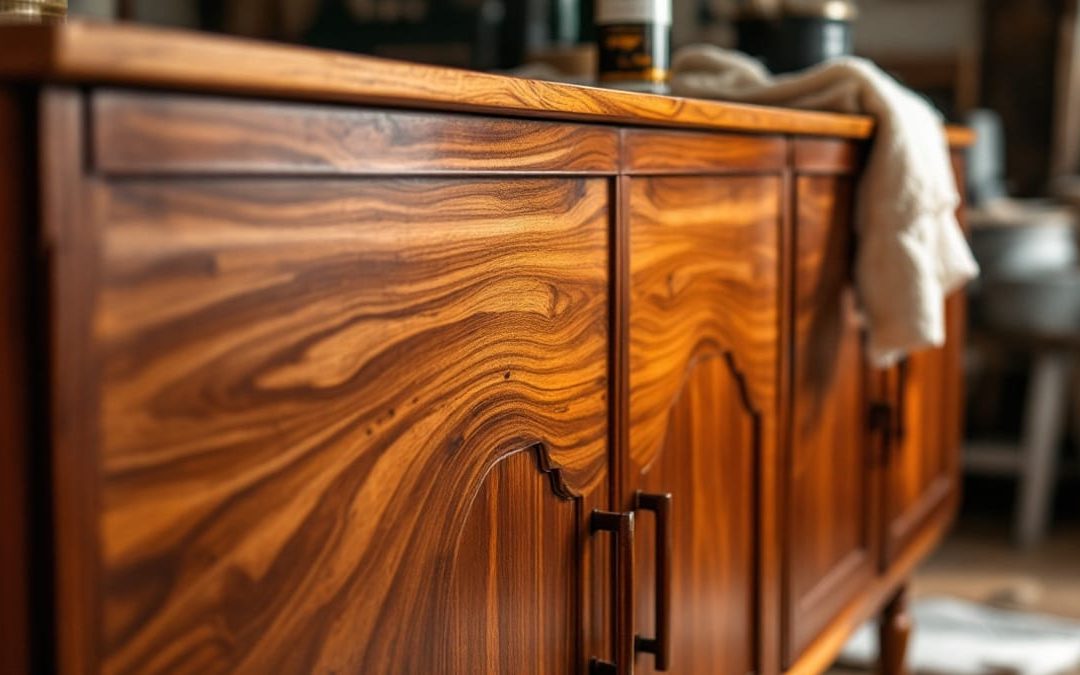
Teak furniture has a reputation for lasting decades, sometimes generations, but even the toughest hardwood needs attention over time. Sun exposure turns it silver-grey, moisture works into the grain, and years of use leave scratches, stains, and dried-out joints that no amount of wiping will fix. Proper teak furniture restoration brings the wood back to life rather than just masking the damage, and the results on a well-made piece are genuinely striking.
Danish furniture in particular, those clean-lined teak and rosewood pieces from the mid-twentieth century, has become seriously collectible. A clumsy restoration approach on a Wegner chair or a Møller sideboard can strip away patina that took fifty years to develop. Getting the right specialist matters, and that is exactly where our free matching service helps: we connect you with local professionals who understand what the piece actually needs.
What Teak Furniture Restoration Actually Involves
Restoration is not the same as a quick sand and re-oil. A proper job starts with assessing the wood's condition: how deep the graying goes, whether the grain has lifted, what finish (if any) was originally applied, and whether there are structural issues like loose mortise-and-tenon joints or cracked panels. Each of those problems calls for a different approach.
Cleaning comes first. Specialists typically use a gentle wood cleaner or a diluted oxalic acid solution to lift ingrained dirt and open the grain before any abrasive work begins. After that, sanding progresses through graded papers, starting coarser to remove the weathered surface layer and finishing fine to leave the grain smooth and receptive. For outdoor teak furniture, a teak oil or sealer is then applied in thin coats. For Danish indoor pieces, the original finish (often a light lacquer or Danish oil) is matched as closely as possible.
Joinery repairs run alongside the surface work. Old hide glue softens with heat and moisture, so a skilled restorer can disassemble, clean, and re-glue joints that have worked loose over decades. This kind of structural care is what separates a restoration from a re-spray, and it is what keeps a quality piece usable for another generation.
Teak Outdoor Furniture vs. Danish Indoor Pieces: Different Jobs
Garden and patio teak is usually solid and heavy, built to take knocks and weather. When people talk about restoring it, they generally mean reversing UV graying, removing mildew staining, and re-nourishing wood that has dried out from years outdoors. The goal is functional protection as much as appearance, and the materials used, teak oils, sealers, and sometimes teak brighteners, reflect that.
Danish furniture from the 1950s through the 1970s is a different conversation entirely. These are often veneered pieces, not solid through-and-through, which means aggressive sanding is out of the question. The veneer on a vintage sideboard might be only a millimeter or so thick, and an inexperienced restorer can sand straight through it. The finish work on these pieces also tends to be more refined: colour matching, grain filling, and in some cases French polishing or lacquer spraying in a controlled environment.
When you use our service to find a local specialist, it is worth being specific about what you have. A restorer who excels at outdoor teak may not have experience with vintage Danish veneers, and vice versa. The matching process takes this into account so you are connected with someone suited to the actual piece.
Signs Your Teak Furniture Needs Professional Attention
Not every teak piece needs a full professional restoration. Light surface graying on outdoor furniture can often be addressed with a quality cleaner and a fresh application of teak oil at home. Where things get more complicated, and where a professional makes a real difference, is when the damage goes deeper.
Deep checking (those small cracks that run along the grain) is a sign that the wood has dried out significantly and may need more than a surface treatment to stabilise. Swollen or warped panels, especially on indoor pieces, suggest moisture has got into the wood unevenly. Veneer lifting at the edges or around hardware fittings is another clear signal that DIY solutions are likely to make things worse. And on any piece with real age or value, colour inconsistency after a previous amateur restoration is common: someone used the wrong product, and now the piece looks patchy.
Structural problems are arguably the most important reason to call a professional. A chair with a loose leg or a table with a failing joint is a safety issue as much as an aesthetic one, and the repair needs to be done correctly so it holds.
How to Choose a Teak Furniture Restoration Specialist
The single most useful thing you can do before hiring anyone is look at their previous work on similar pieces. Photos of before-and-after restorations tell you more than any list of services. If a restorer has done solid outdoor teak but nothing with vintage Danish veneered furniture, that gap matters if your piece falls into the second category.
Ask about their process specifically. A good restorer will be able to explain, in plain language, what they plan to do and why, what products they use and what the alternatives are, and what the realistic outcome looks like given the piece's current condition. Anyone who promises a result that sounds too good, like returning a badly damaged piece to showroom condition without any caveats, is worth being cautious about.
Turnaround times, whether the work is done in a workshop or on-site, and how the piece is transported and stored are all practical things worth asking. Our free quote service simplifies the early part of this process: you describe your furniture, and we match you with local specialists who can give you a proper assessment and a no-obligation quote.
Ongoing Care After Restoration
Getting a piece professionally restored is only half the job. How you care for it afterward determines how long the results last. For outdoor teak, most specialists recommend reapplying teak oil or sealer once or twice a year depending on your climate and how much sun and rain the furniture gets. Letting it weather back to grey and then re-restoring it every few years is perfectly valid too, though it does wear the wood down over time.
For indoor Danish pieces, the main enemies are direct sunlight (which fades the wood and dries out any oil finish) and temperature or humidity extremes. Placing a veneered sideboard next to a radiator or in a conservatory that bakes in summer is a reliable way to cause warping and veneer movement. A consistent indoor environment, with reasonable humidity levels, does more to preserve a restored piece than any product you can apply.
Regular, gentle cleaning matters more than most people think. Letting grease, food residue, or plant pot moisture sit on the surface works into the finish over time. A damp cloth and, where appropriate, a mild furniture soap used regularly is far less disruptive to the finish than a periodic heavy clean.
Frequently Asked Questions
Can teak furniture that has turned completely grey be restored to its original colour?
Yes, in most cases. The silver-grey colour comes from UV exposure affecting the surface layer of the wood, not the wood throughout. A thorough clean and light sanding removes the weathered layer and reveals the warmer honey-brown tone underneath. Very old or deeply weathered pieces may show some colour variation, but a specialist can assess this before starting work.
Is it worth restoring older Danish teak furniture rather than replacing it?
For well-made mid-century Danish pieces, restoration almost always makes sense both financially and practically. Quality teak and rosewood furniture from that era was built to standards that are hard to find at equivalent price points today. A professional restoration can extend a good piece's life by decades, and for collector-grade furniture, maintaining originality adds to its value.
How do I know if my furniture is solid teak or teak veneer?
Look at the edges and any areas where the wood has chipped or worn. Solid teak shows the same grain throughout, while veneered pieces typically show a different material (often a lighter particleboard or softwood) beneath a thin surface layer. Your restorer will check this before any work begins, as it directly affects the approach used.
How long does a typical teak furniture restoration take?
It depends on the size of the piece, the extent of the work needed, and the restorer's current schedule. A straightforward outdoor table and chairs set might be turned around in a few days. A complex indoor piece requiring structural repairs, colour matching, and multiple finish coats can take two to three weeks or more. Your specialist will give you a realistic timeframe during the initial assessment.
Can I get a quote without taking the furniture to a workshop?
Many local specialists are happy to assess larger pieces (garden sets, sideboards, dining tables) on-site before quoting, since transporting bulky furniture adds cost and risk. Smaller items like chairs are usually easier to quote in a workshop setting. When you submit a request through our service, you can specify what works best for you and we will match you accordingly.
Have a piece worth saving? Modern Revival Co. restores 20th-century and mid-century furniture in Edmonton — and we buy pieces too. Get in touch for a free assessment.